Shanghai is a modern metropolis with a nostalgic heart — glass towers across the river, Shikumen lanes behind the trees, and a rhythm that runs from morning markets to neon nights.
For photography, Shanghai is all about contrast: old stone arches against clean skylines, quiet plane-tree streets a few blocks away from the business districts, and Shikumen courtyards that mix Western elegance with Chinese heritage. From the Bund and Lujiazui to French Concession side streets and museums along the river, the city gives you a flexible backdrop for couples, families, and fashion-forward shoots.
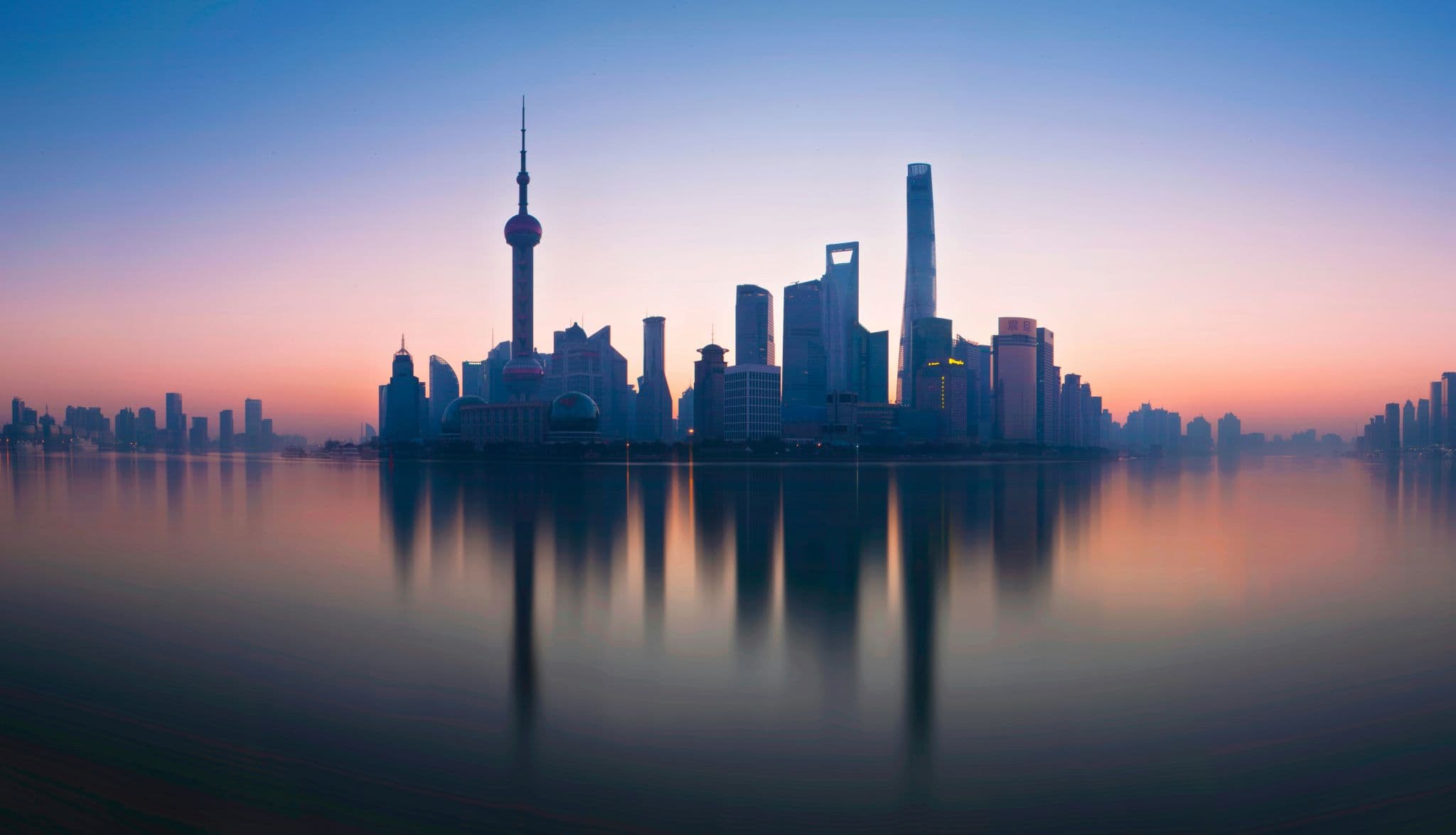
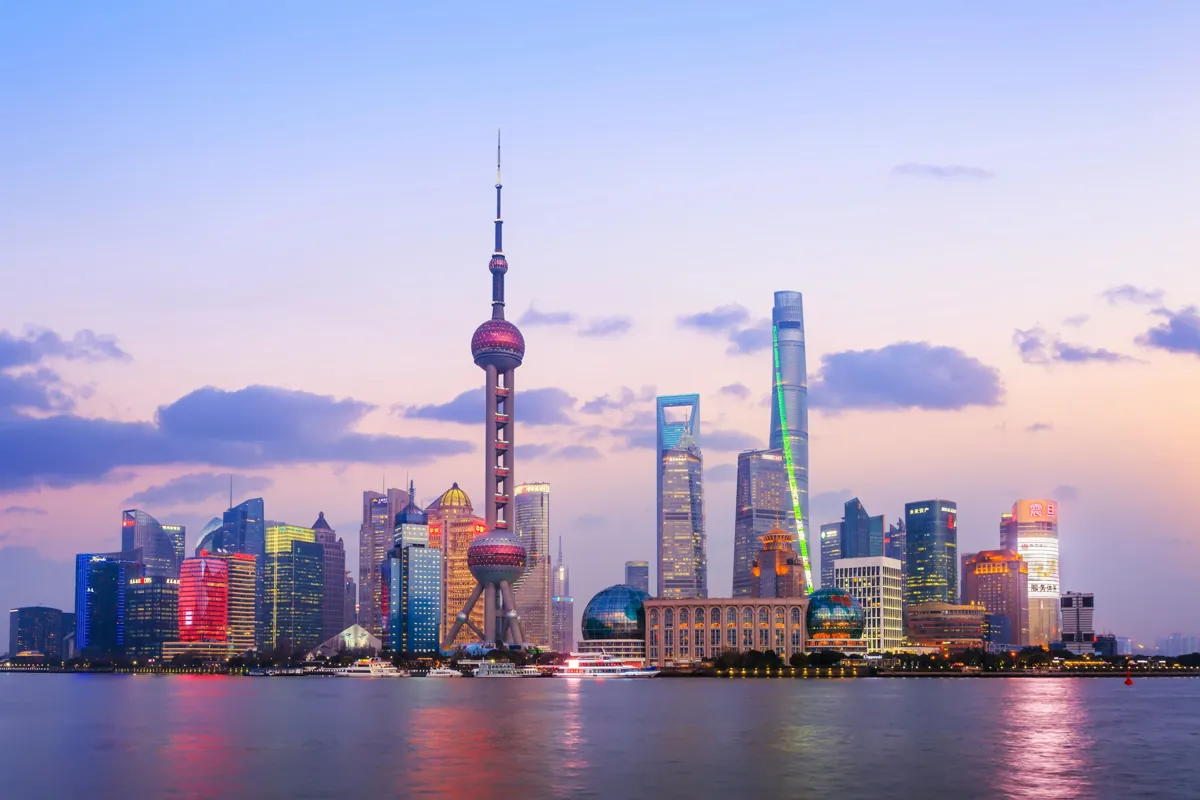
Shanghai’s skyline looking over the Huangpu River at blue hour.
Example Photos
Click to see examples • 5 photos
Expectations for shanghai
Best Season
Autumn (October–November) for crisp skies and golden plane trees; spring (April–May) for blossoms. December adds festive lights, especially around shopping streets.
Weather
Four seasons: humid summers and damp winters. Air quality can shift, but post-rain evenings often give clear views and glossy reflections on the streets.
What to Wear
Urban chic and Haipai retro work best — blazers, dresses, qipao-inspired outfits, or relaxed street style. Avoid overly sporty looks unless that is part of your story.
Locations at a Glance
Skyline at the Bund and Lujiazui, plane-tree streets around Wukang and Anfu Roads, Shikumen and courtyards in Xintiandi and Sinan, and museum fronts along the West Bund.
Featured Photos
A short peek at how Shanghai looks through our lens — from skyline silhouettes to slow-life street corners. These samples give you a feel for colors, light, and posing before your own session.
corporation — corporate
corporation — corporate
Shanghai: Between Skyline and Side Streets
Shanghai is modern, quick, and business-driven, but step a few blocks away and you find Shikumen lanes, stone pavements, and cafés that feel almost slow. It is a city where glass towers, riverfront promenades, and French-style streets all sit in one storyline — perfect for building a varied photoshoot in just a few hours.
Modern Metropolis with a Nostalgic Side
Shanghai is often introduced by its skyline, but the character of the city sits in the layers behind it. You have Shikumen 石库门 architecture that blends Western lines with Chinese courtyards, fast-paced financial streets, and older longtang lanes where daily life still feels local.
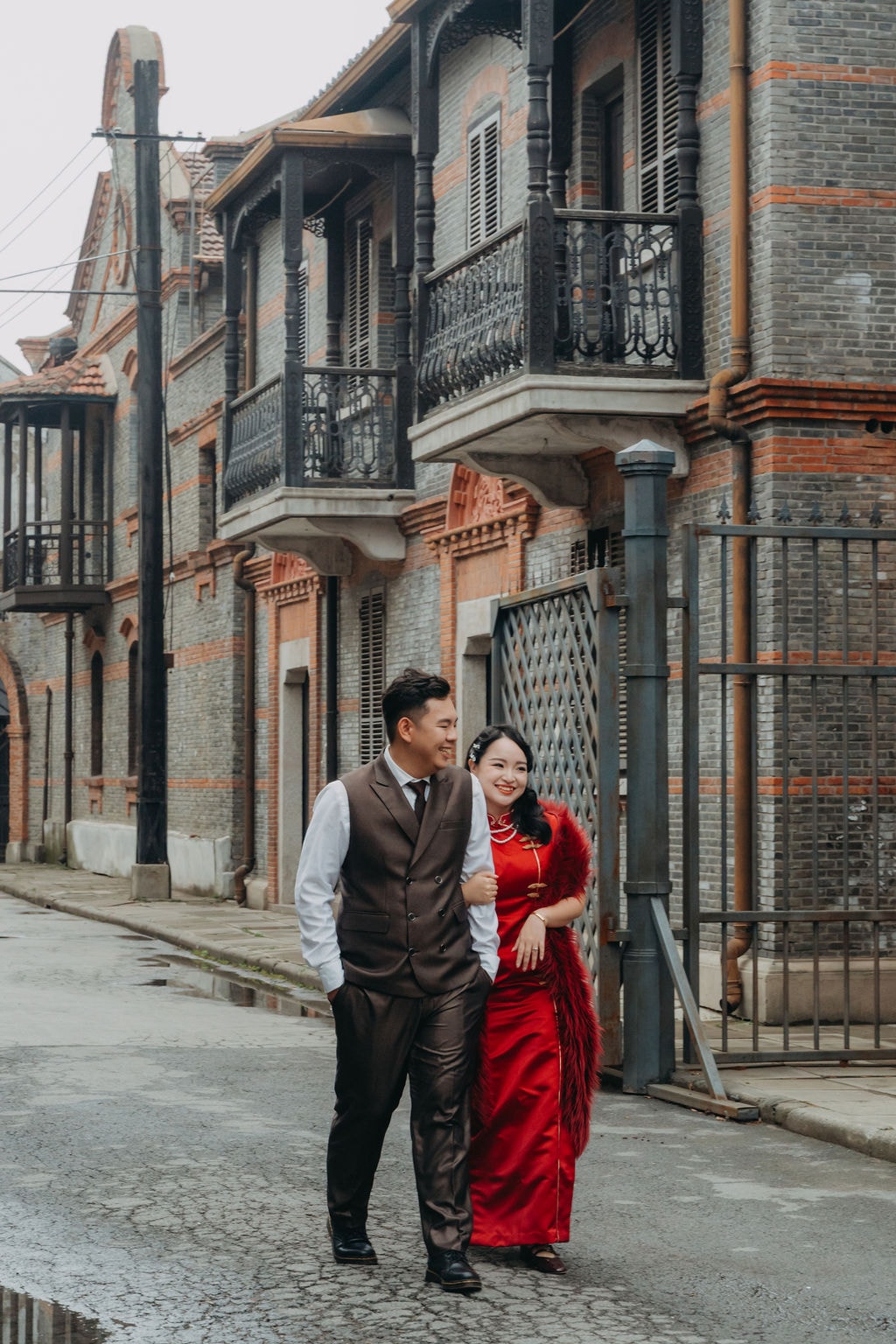
Couple shoot in traditional style, using Chinese republic-era fashion in an old town.
For photography, that mix makes it easy to tell more than one story in a single session. You might start with a clean, modern look at the riverfront, then move into stone-paved backstreets or cafés for something softer and more intimate.
Core Photography Themes in Shanghai
Modern Metropolis Saga – skyline silhouettes, glass towers, and wide views over the Huangpu River.
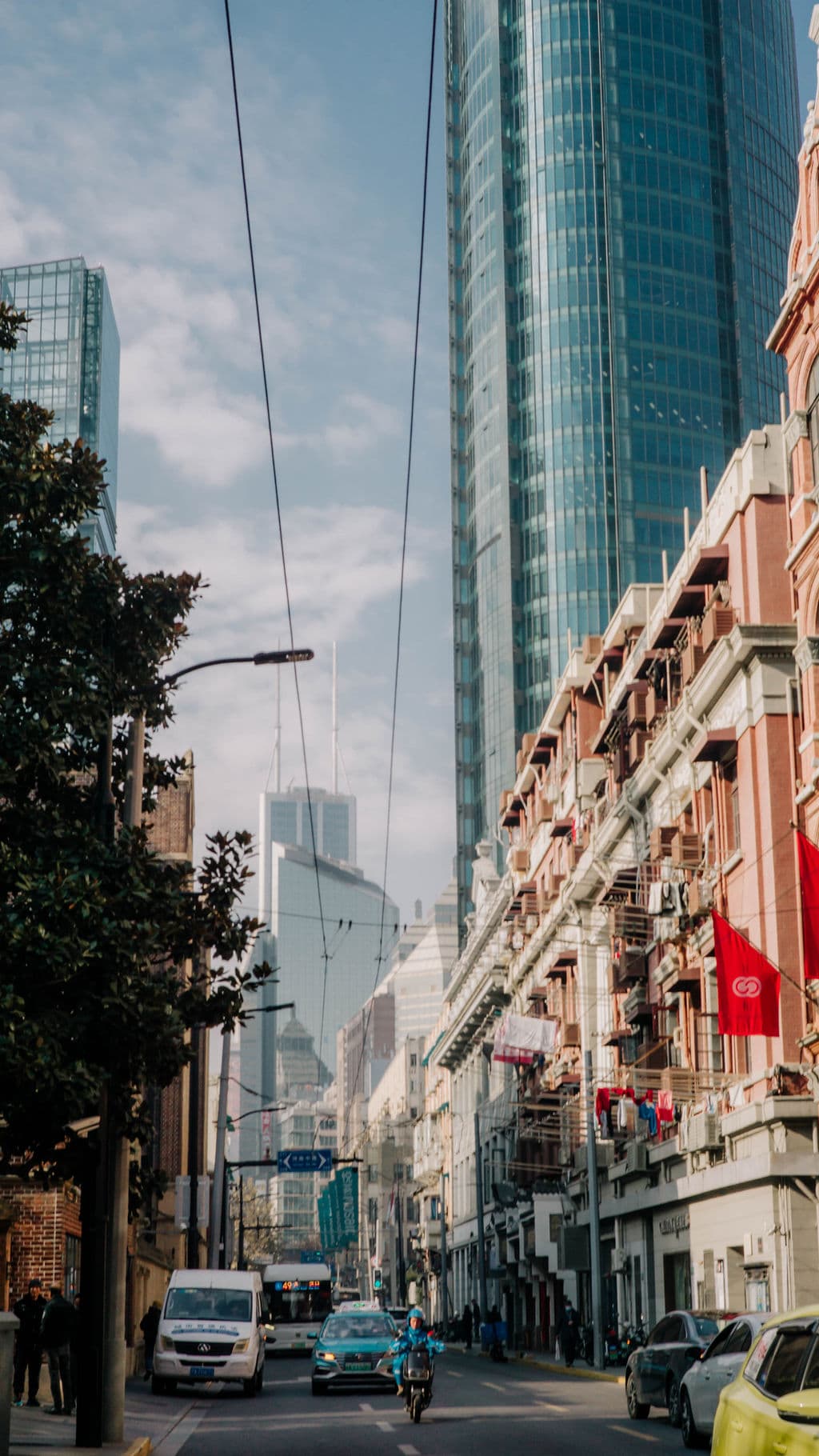
Slow Life Under Plane Trees – quiet streets, balconies, and café corners in the former French Concession.
Urban Vignettes – life in longtang alleys, wet markets, small shops, and cozy coffee spots.
Futurist Abstraction – geometric lines, glass reflections, and experimental compositions in Lujiazui or around museums.
Where We Usually Shoot
We normally mix one “big view” location with one or two slower-paced areas so you get both iconic shots and personal moments. Distances are manageable if you plan routes around traffic and crowds.
The Bund (外滩) & Lujiazui (陆家嘴) - classic contrast between the historic riverfront and futuristic skyline. Great for golden and blue hour.
Wukang Road (武康路) & Anfu Road (安福路) area - historic façades, boutiques, and plane trees. Perfect for street style, portraits, and walking shots.
Xintiandi (新天地) & Sinan Mansions (思南公馆) - restored Shikumen with cafés and restaurants, giving a chic but nostalgic lifestyle backdrop.
West Bund Museum Mile (西岸美术馆一带) - open riverside paths, minimalist museum architecture, and room to play with lines, negative space, and movement.
Seasons, Weather, and Light
Autumn is the easiest season for reliable conditions: less humidity, clearer skies, and golden leaves along the main streets. Spring brings blossoms and softer light, while December gets extra decorations and a festive mood in shopping areas.
Summers can be hot and humid, so we usually plan shorter walks, indoor breaks, or early-morning starts. Air quality changes day by day; sometimes haze softens the skyline, while evenings after rain can give clear views and glossy pavements that look great in photos.
Styling That Matches the City
Shanghai carries both a business-city sharpness and an old-shanghai Haipai flavor, so outfits that feel a bit intentional work best. Urban chic with blazers or clean dresses fits the skyline and financial districts, while Haipai retro looks — like qipao-inspired pieces or modern Chinese-style details — sit nicely in Shikumen and older streets.
For casual sets, relaxed denim, simple shirts, and light layers still work well, especially in café or park scenes. We generally recommend avoiding full sportswear unless it is part of your story, and keeping logos or very busy patterns to a minimum so you stay the focus.
Everyday Rhythm and Local Feel
Outside the landmarks, Shanghai has a strong coffee culture, small bakeries, and neighborhood bars that are great for lifestyle frames. Morning markets, dog walkers, and people commuting by scooter give a different energy compared to late-night lights along the river.
If you like a documentary touch, we can build in a small walk through lanes or wet markets and mix candid moments with simple guided poses, so your gallery feels like a slice of real life in the city.
Breathable fabrics in summer; layers/coat in winter; comfy shoes for walking.
Light & Locations
Bund sunrise, Pudong skyline, French Concession streets, riverside parks.
Tips for Conducting Sessions in shanghai
Wardrobe and Styling
Match the outfit to the part of Shanghai you want to show.
For skyline and business-district shots, urban chic works best: blazers, simple dresses, shirts, and trousers with clean lines.
In Shikumen lanes or under tree-lined streets, Haipai retro looks, qipao-style dresses, or modern Chinese-inspired pieces add a nice local touch.
Timing and Crowds
Good timing can save you from heavy crowds and harsh light.
The Bund, Lujiazui, and main tourist spots are busiest on weekends and holidays. If possible, plan for weekday mornings or just before sunset on less busy days.
Golden hour and blue hour are ideal for the skyline — softer light, smoother skin tones, and city lights starting to show.
Comfort and Movement
If you are comfortable, your photos will look natural.
We usually design routes that move in short walking segments so you are not on your feet nonstop, but comfortable shoes are still important.
If you bring heels or formal shoes, you can wear sneakers between locations and change just before we start shooting at each spot.
Weather, Air, and Light
Use the weather, do not fight it.
Cloudy days are not a problem — they often give very soft and flattering light, especially for portraits.
Light rain can look beautiful with clear umbrellas, street reflections, and neon signs at night. We can still shoot if you are comfortable getting a little bit wet.
Practicalities and Safety
Small preparation helps you enjoy the session more.
Keep valuables light and easy to carry: phone, small wallet, and one bag if needed. We can help keep an eye on items while you are in front of the camera.
Hydration and small snacks are useful, especially on hot or cold days. Café stops can double as both a break and a photo opportunity.