Nanjing is a former capital city where imperial history, tree lined streets, and lakeside views all come together in one place.
As the capital of multiple dynasties, Nanjing carries a strong sense of history, from Ming tombs and city walls to landmarks from the early twentieth century. At the same time, the city feels very green, with long avenues of trees and a steady student presence from its universities. It is a great choice if you like portraits and stories that lean into history, scale, and a slightly serious mood without feeling too heavy.
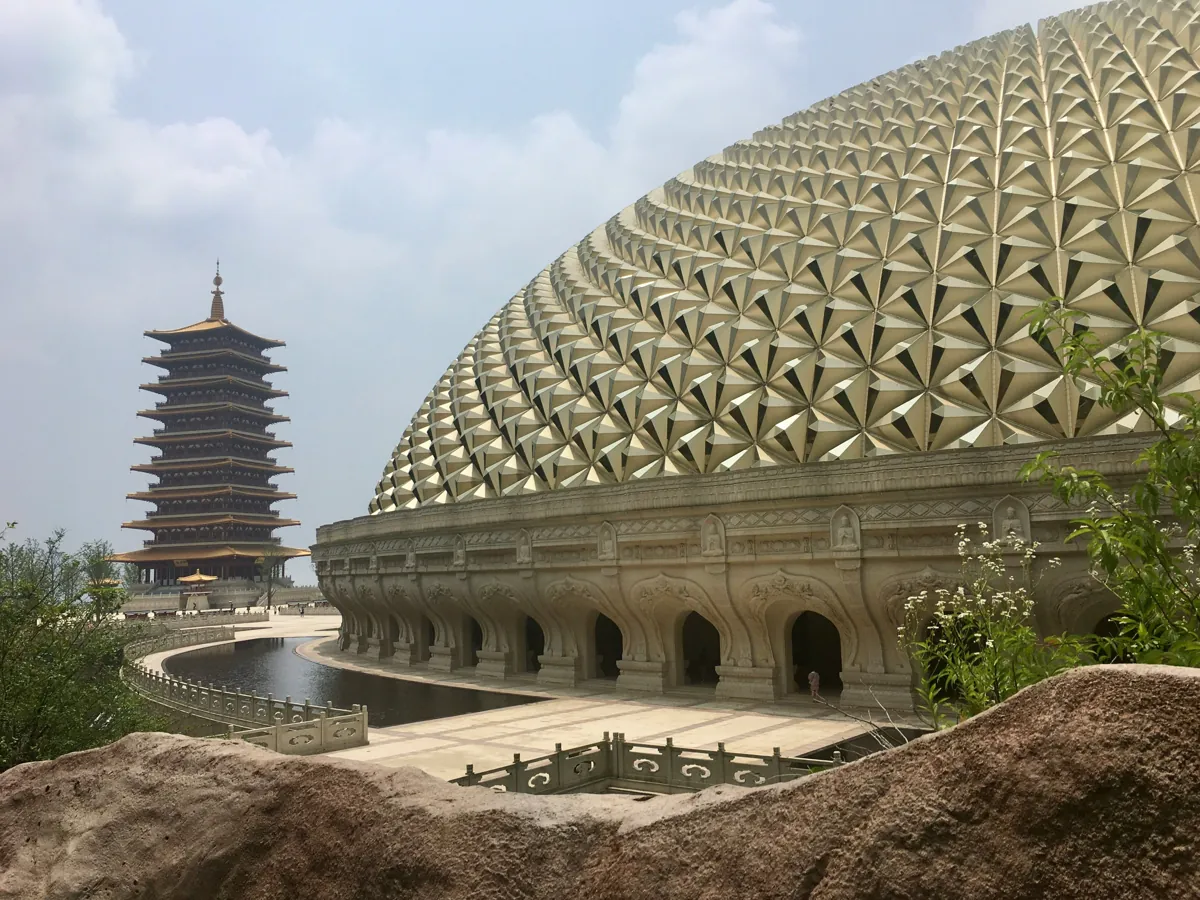
Niushoushan (牛首山) in Nanjing, with the golden Usnisa Palace and its pagoda reflected beside the curved waterway.
Example Photos
Click to see examples • 0 photos
Expectations for nanjing
Best Season
Late October to November is the highlight with golden and amber leaves. Spring from March to April is also very good, with plum blossoms and fresh greenery around Purple Mountain.
Weather
Nanjing has four very clear seasons. Summers are hot and humid, winters are cold and damp, and autumn usually has the most stable, clear, and comfortable days for photography.
What to Wear
Think structured and simple. Coats, turtlenecks, midi skirts, and wide leg trousers work very well. Darker, deeper colors fit the stone, trees, and historical settings.
Light and Locations
Golden hour on tree avenues, soft light at the mausoleums, and sunset around the city wall or Qinhuai River give you the best mix of atmosphere and background detail.
Featured Photos
A glimpse of how Nanjing looks in photos, from tree lined spirit ways to city walls and riverside lights.
New stories incoming
We’re still curating this gallery ✨
No featured clients yet, but we’re adding highlights soon. Please check back in a bit.
New stories incoming
We’re still curating this gallery ✨
No featured clients yet, but we’re adding highlights soon. Please check back in a bit.
Nanjing: Imperial History and Tree Lined Avenues
Nanjing combines imperial sites, modern history, and long rows of wutong and ginkgo trees. It is ideal if you want photos with a strong sense of place and story.
Imperial Capital and City of Scholars
Nanjing is a former capital of several dynasties and a key stage for modern Chinese history. You feel that weight in the Ming tombs, the city wall, and the preserved government buildings that saw the country move from empire to republic.
Couple portrait by a lakeside in Nanjing.
At the same time, Nanjing is known as a city of scholars. Long rows of trees along the streets, large university campuses, and reading spots by the lake add a more thoughtful, slightly quiet character. The result is a city that works very well for portraits that are calm but still full of story.
How Nanjing Looks in Photos
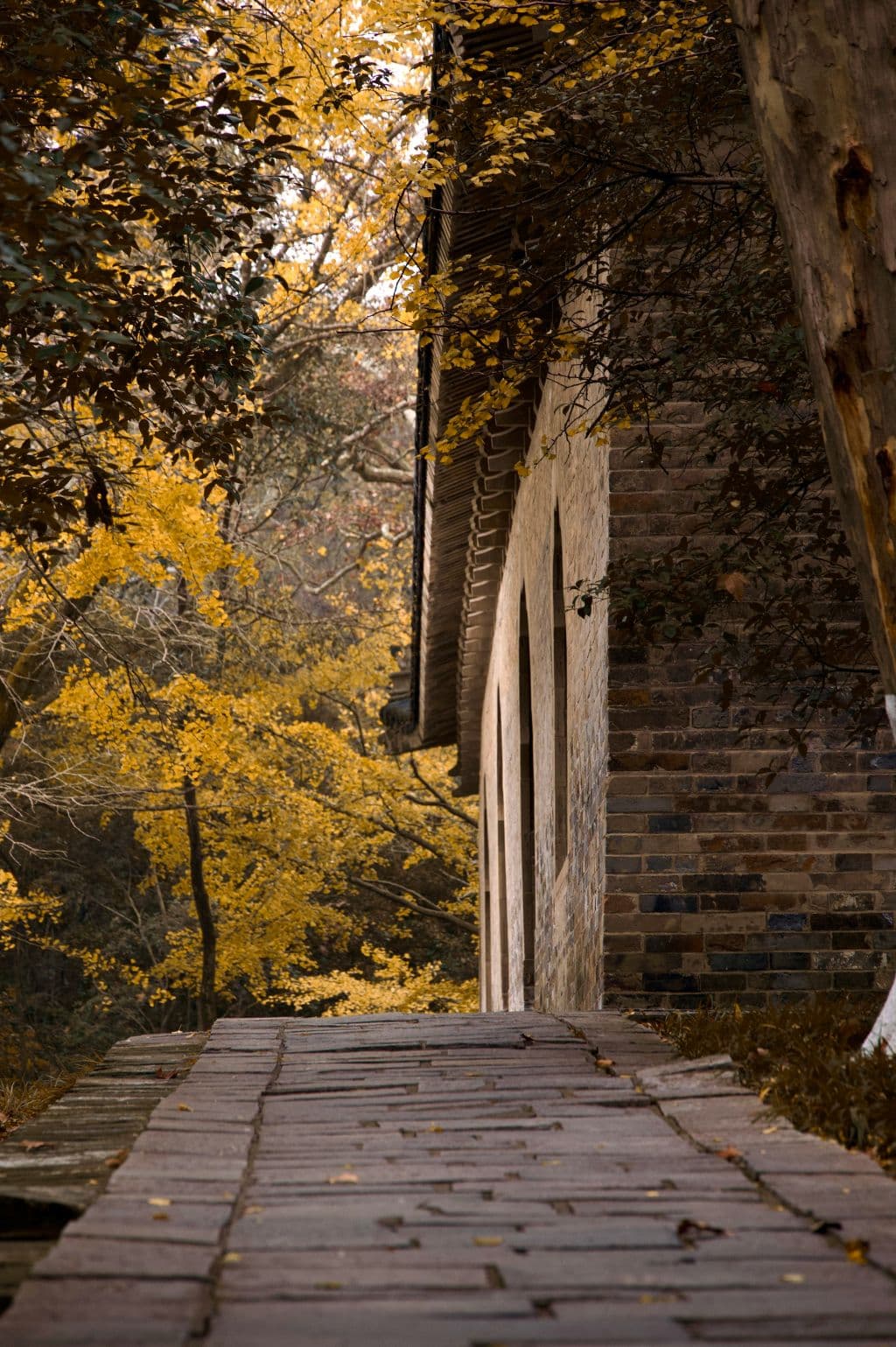
One of the strongest visuals in Nanjing is the long avenues lined with wutong trees and other tall trees, especially around Purple Mountain and the mausoleum area. In summer they create green arches over the paths, and in late autumn they turn into tunnels of gold and amber.
Along the Spirit Way at Ming Xiaoling, stone animals and officials stand like quiet guards on both sides of the path. Their worn surfaces, combined with soft light through the leaves, give portraits a grounded and timeless feeling.
Around the Nanjing City Wall and nearby moats, you get a different contrast. Ancient bricks and water on one side, modern buildings reflected in the surface on the other. At sunset and blue hour, lights from the city start to show up in the water, which adds extra texture to wide shots.
Where We Love to Shoot in Nanjing
With a bit of planning, it is possible to include a mix of imperial, riverside, and city wall scenes in one day. We usually choose two or three key areas and build everything else around them.
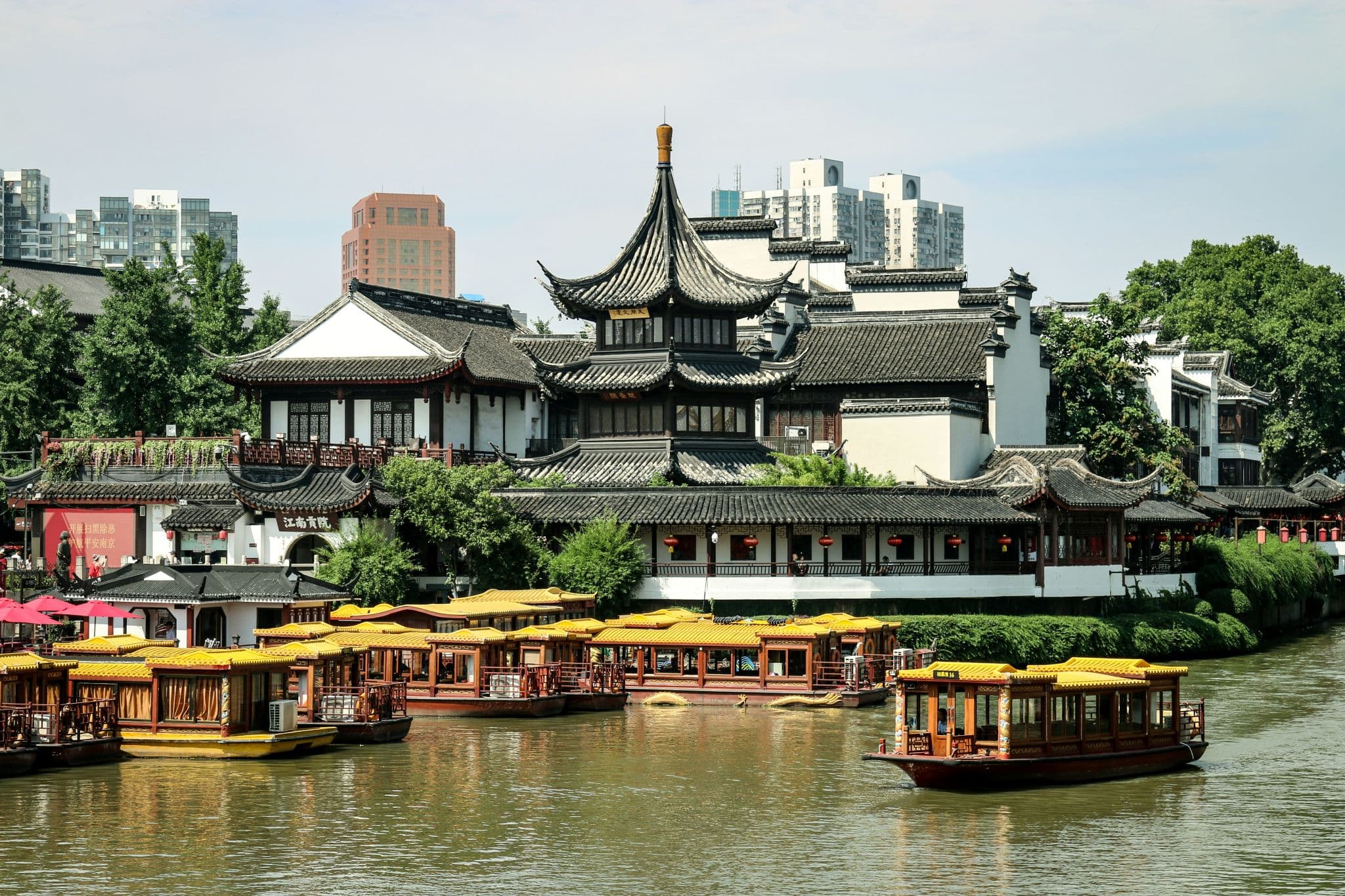
Confucius Temple (夫子庙) and Qinhuai River area for lively riverside scenes, lantern lit evenings, and traditional style buildings reflected in the water.
Sun Yat sen Mausoleum (中山陵) for its blue roofed main hall on the slope of Purple Mountain, long stairways, and wide plazas that work well for more formal or powerful portraits.
Niushoushan (牛首山) Scenic Area for hillside temples, modern Buddhist architecture, and wide views over the surrounding greenery, especially around sunset.
Ming Xiaoling Mausoleum (明孝陵) and its Spirit Way (神道) for the classic Nanjing look with stone statues, long paths, and tall trees forming natural arches.
Nanjing City Wall (南京城墙), especially around Ji Ming Temple (鸡鸣寺) or Zhonghua Gate (中华门), for strong lines, textures, and views across the city and moats.
Seasons and Weather
Autumn, especially from late October into November, is the standout season. Tree avenues around Purple Mountain and in the city turn golden, ginkgo trees add bright yellow accents, and temperatures feel comfortable for moving between outdoor locations.
Spring from March to April brings plum blossoms at Plum Blossom Hill (梅花山), fresh green leaves, and slightly softer light. It can be rainy at times, but light rain and mist often add a nice atmosphere around the mausoleums and wall.
Nanjing is sometimes called one of the Three Furnaces of China, which is another way of saying that summers can be very hot and humid. In that season, early mornings and late afternoons are much more comfortable than midday. Winters are cold and damp yet can give a stark, quiet mood that suits the heavier historical sites.
Styling Ideas That Fit Nanjing
For Nanjing, styling that leans a bit more structured works best. Think tailored coats, wool blend jackets, turtlenecks, midi dresses or skirts, and wide leg trousers. These shapes look good against stone steps, city walls, and long avenues of trees.
Color wise, deep burgundy, forest green, charcoal gray, off white, and mustard yellow all sit nicely with Nanjing’s stone and autumn foliage. You do not need to dress in all dark tones, but having at least one of these shades in your outfit helps it blend with the environment.
Modern takes on hanfu or a simple, dark toned cheongsam can be very effective at historical sites if you like that direction. Accessories such as leather satchels, simple scarves, and ankle boots or loafers finish the look without feeling too casual or too costume like.
Core Photography Themes in Nanjing
Pathway through time, using long avenues, stairways, and corridors to show movement through history.
Stone and silence, focusing on statues, walls, gates, and the feeling they bring when there are no crowds.
Capital contrasts between massive historical structures and the modern city that now sits around them.
Verdant canopy, highlighting how the tree cover shapes streets, walkways, and the light that falls on them.
Local Insights and Atmosphere
The tall trees, especially wutong, are not just background decoration in Nanjing. They are an important part of how locals picture their own city and are a big reason the streets feel so distinct in photos.
Key spots like Sun Yat sen Mausoleum and Ming Xiaoling can be very busy on weekends and holidays. Weekday mornings or slightly rainy days usually have fewer visitors and a deeper mood, which is great for portraits without many strangers in the frame.
Nanjing is also a major university city, so even near historic areas you can often see students walking, cycling, or studying. This adds a layer of youth and everyday life that contrasts nicely with the older architecture.
Practical Photo Tips for Nanjing
Golden hour is worth chasing here. Low angle morning or evening light makes long avenues and stone textures look much deeper.
Use leading lines such as tree lined paths, stairways, and city walls to guide the viewer into the frame.
Do not avoid fog or light rain. These conditions reduce crowds, soften the background, and fit the mood of the historical sites very well.
Change perspective often. Low angles make trees and monuments feel taller, while views from the city wall help you show how old and new parts of Nanjing fit together.
A polarizing filter is very helpful for cutting glare from wet stone and water, and for making autumn colors and blue roof tiles look richer.
Breathable fabrics in summer; layers/coat in winter; comfy shoes for walking.
Light & Locations
Bund sunrise, Pudong skyline, French Concession streets, riverside parks.
Tips for Conducting Sessions in nanjing
Wardrobe and Styling
Match the historical weight with clean, thoughtful outfits.
Nanjing works very well with structured clothing that has clean lines. Coats, jackets, turtlenecks, and midi length pieces look balanced against the scale of walls and monuments.
Deep burgundy, dark green, charcoal gray, off white, and mustard yellow all sit nicely in the environment, especially in autumn. You can mix one accent color with more neutral pieces.
Best Times and Light
Use golden hour and shade to your advantage.
Golden hour is particularly rewarding in Nanjing. Tree tunnels and long stairways look dramatic yet soft in warm, low light.
If you need to shoot in the middle of the day, look for shaded areas along walls, under trees, or within courtyards at the mausoleum sites.
Weather and Backup Plans
Use the mood of each season rather than fighting it.
In autumn, take advantage of clear days to spend more time on the city wall and open viewpoints.
In spring, be ready for showers. Light rain under tree cover or in courtyards can make portraits feel more cinematic.
Comfort and Movement
Plan for stairs, slopes, and long paths.
Sites around Purple Mountain involve a fair amount of walking and climbing stairs. Flat shoes or low, sturdy boots will keep you more relaxed on camera.
If you want to wear heels, it is usually easier to bring them in a bag and change only when we stop to shoot in safe, flat areas.
Crowds and Timing
Smart scheduling keeps backgrounds clean.
Avoid major spots at midday on weekends and holidays if possible. Weekday mornings are usually the calmest.
For Qinhuai River, early evening on weekdays gives you activity and lights without overwhelming crowds.